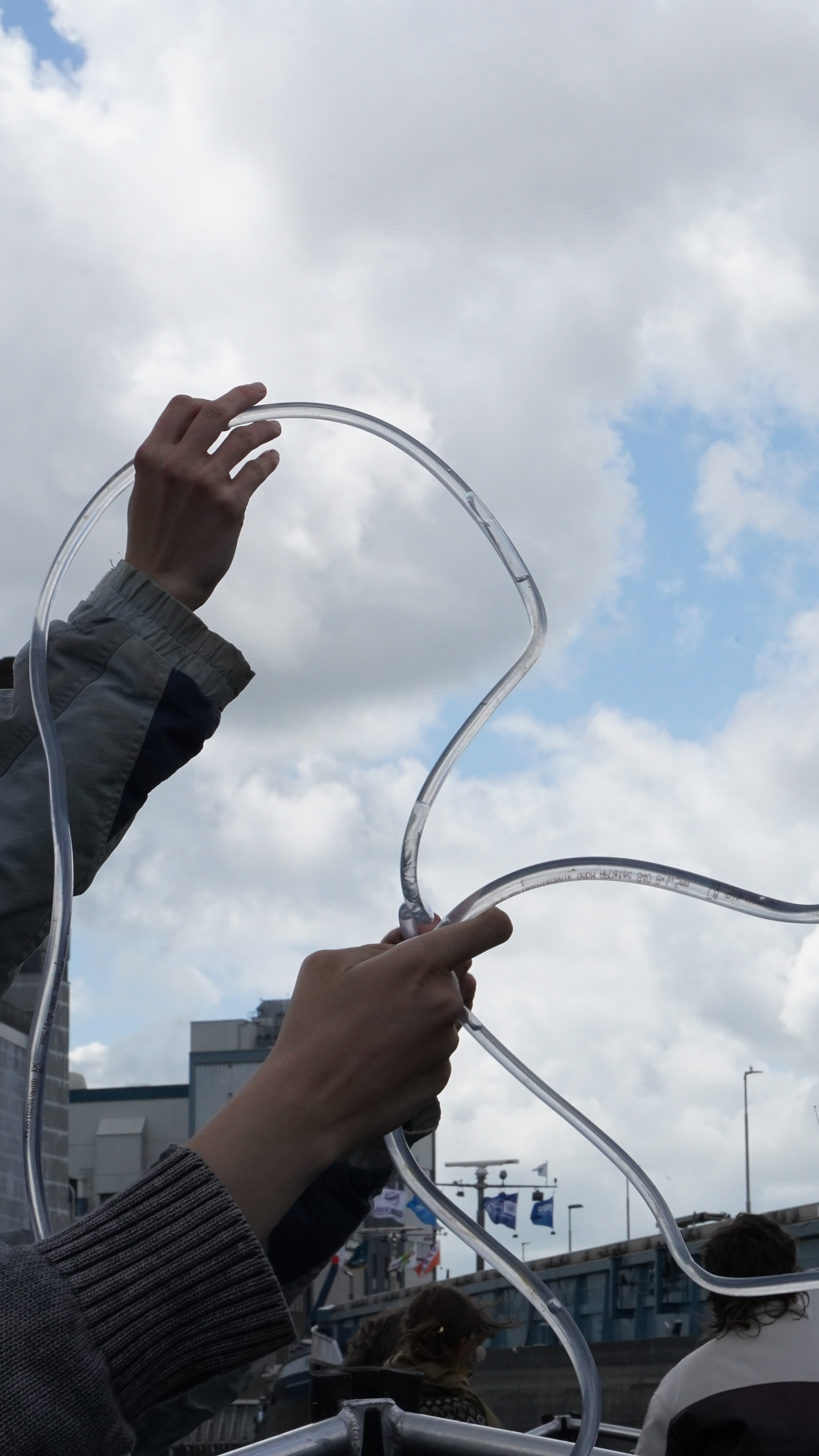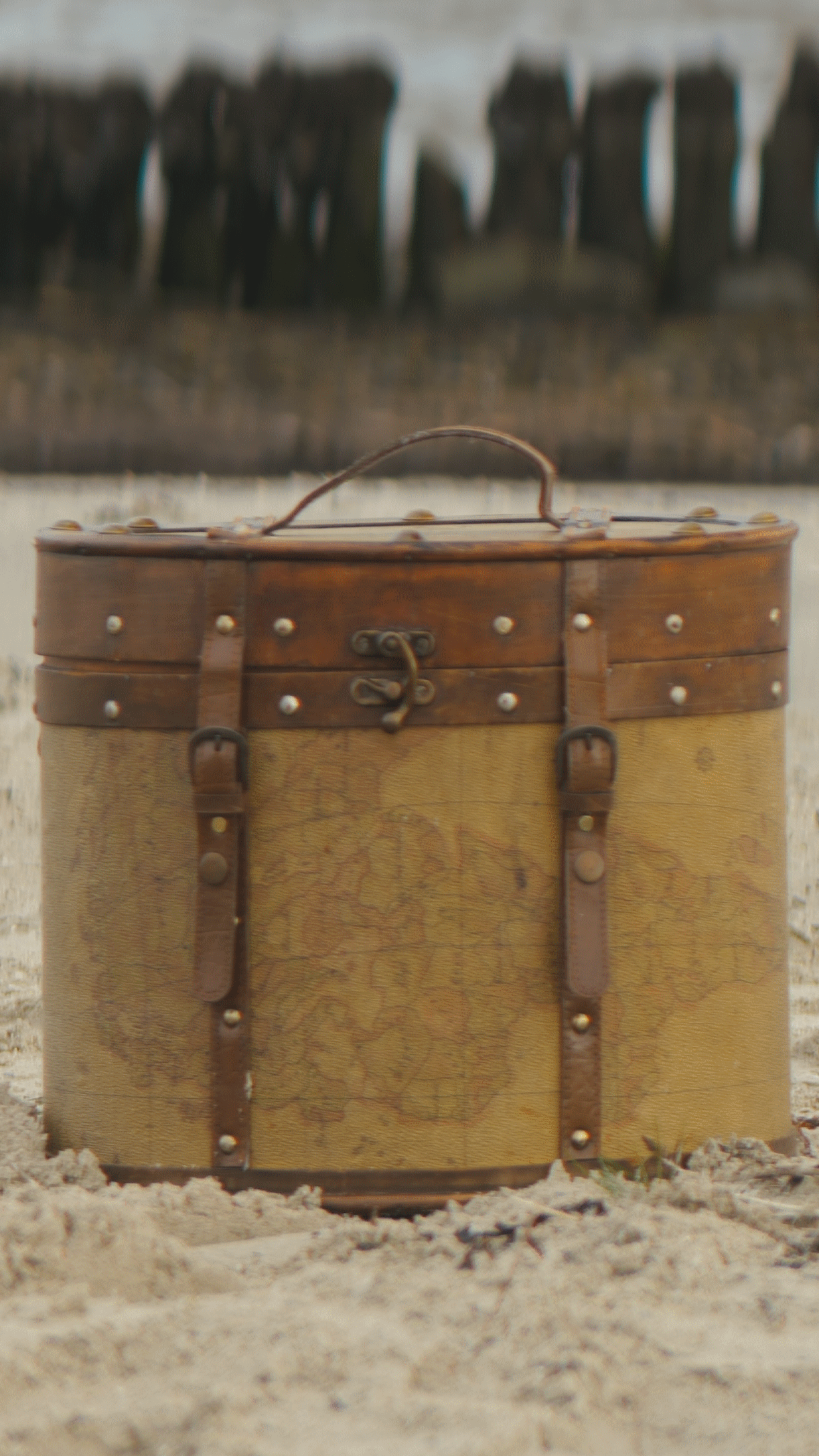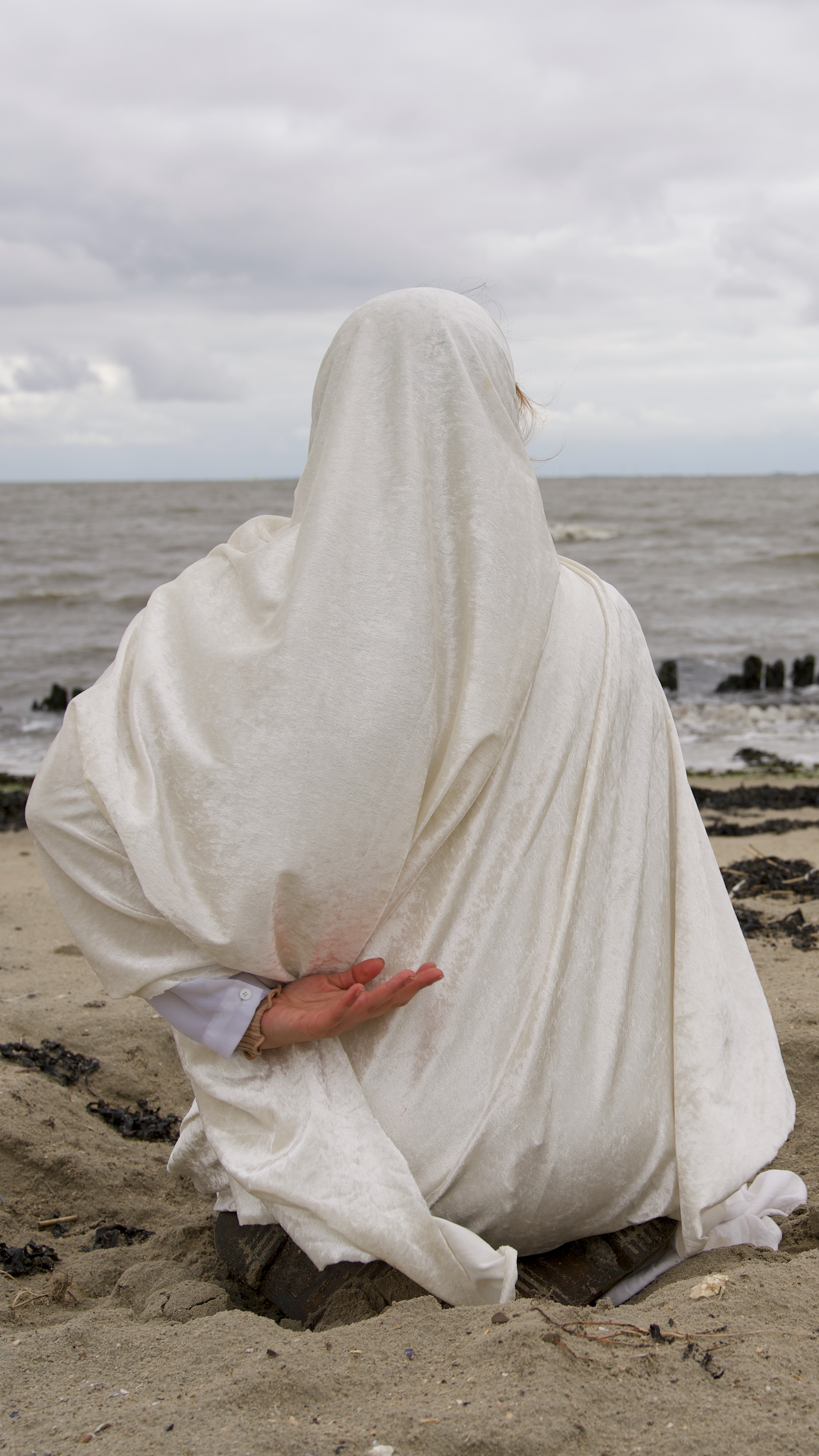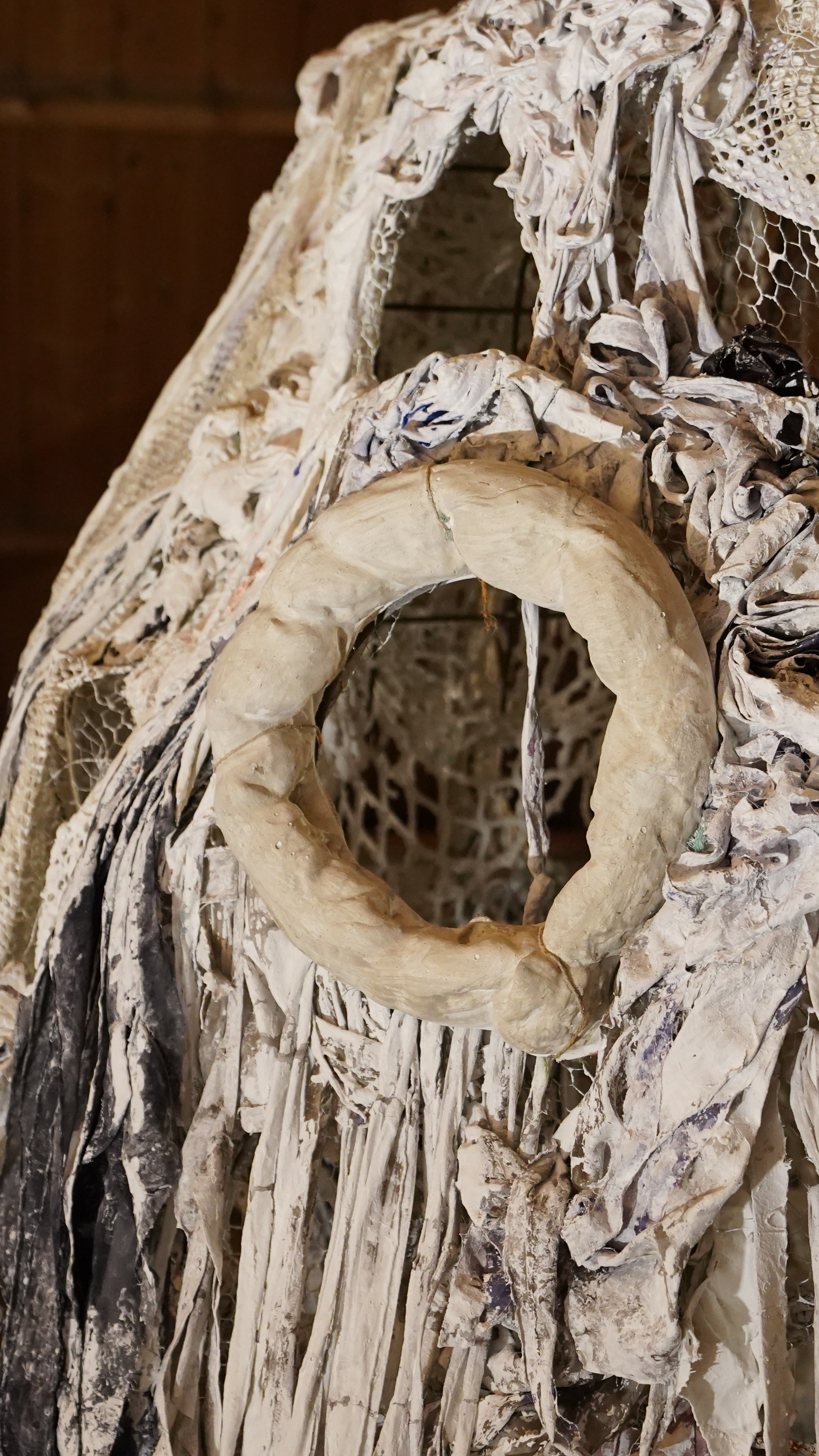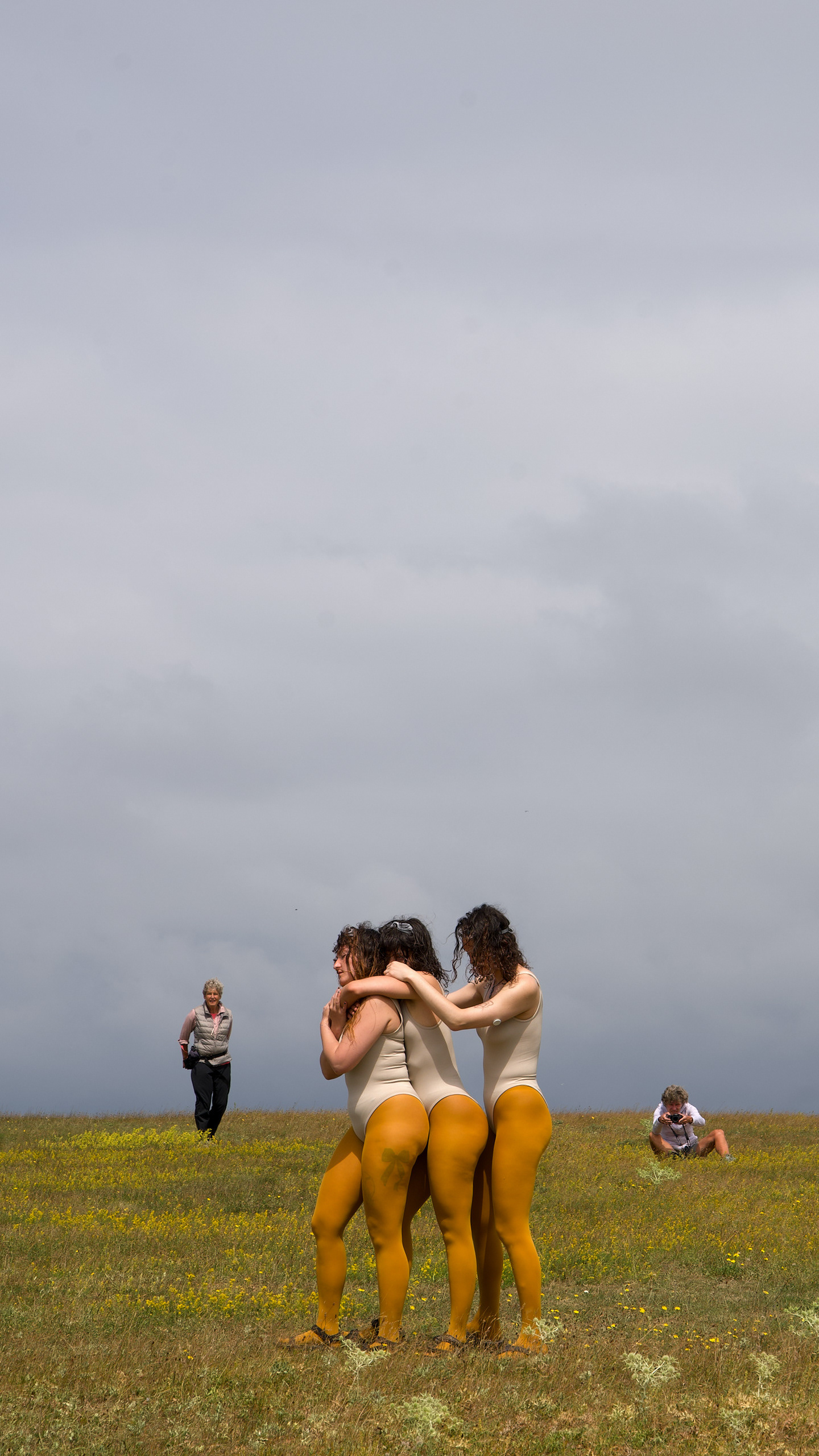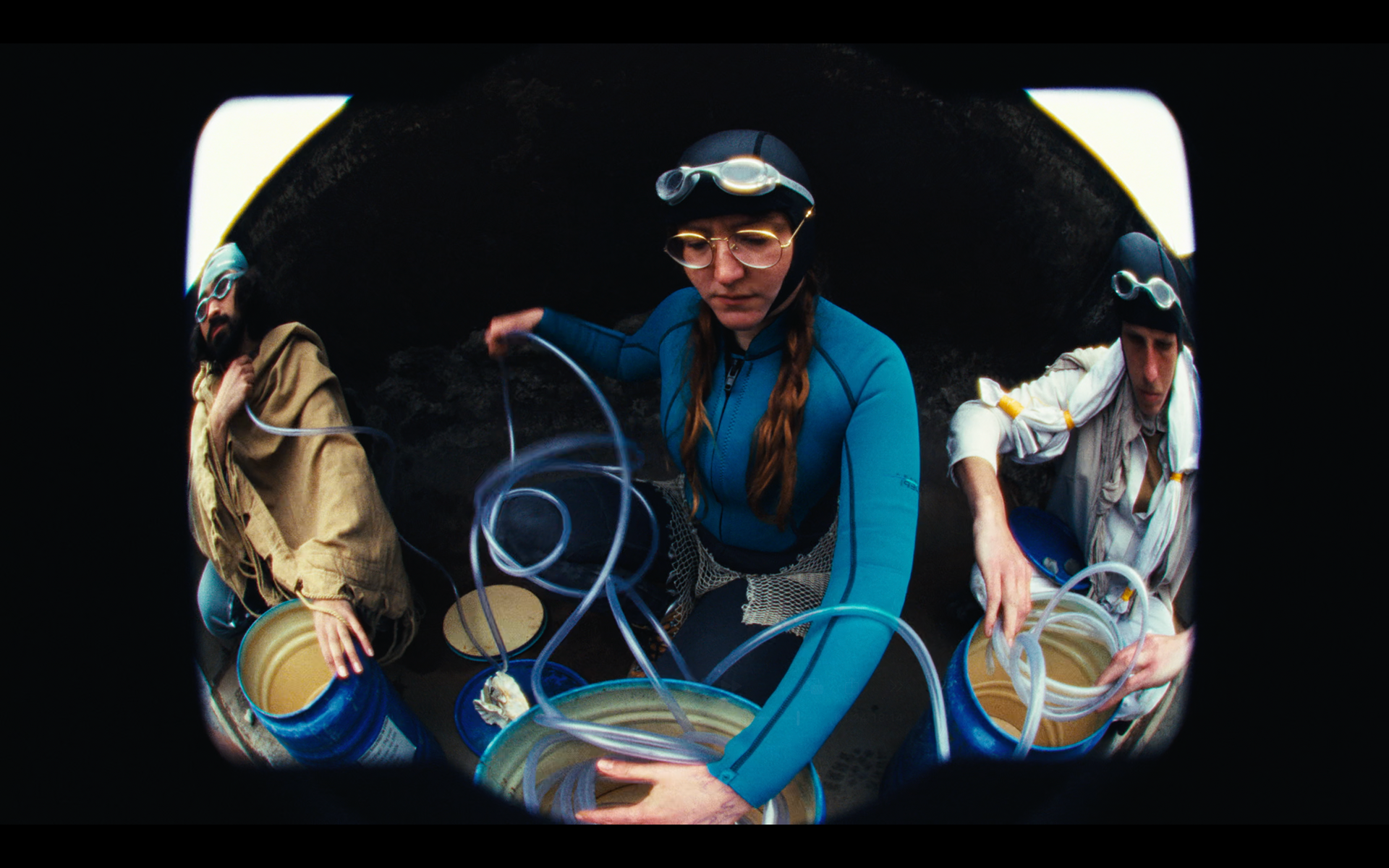
Meebewegen: Principles for Living Among Waters is an ongoing artistic research project developed in public spaces shaped by water or the absence of it. The project unfolds through performance, fieldwork, film, and material experimentation, exploring how humans and non-humans adapt to changing hydrological conditions.
The work began in May 2025 on the islands of Vlieland and Schiermonnikoog, between the North Sea and the Wadden Sea. These landscapes tidal in nature, shifting and exposed, became the ground where the Rhizoaquatic Methodology was developed: a way of working that follows water rather than resisting it. The methodology is built through repeated site visits, environmental listening, embodied research, and collective action, allowing tides, weather, soil, animals, and local human routines to actively shape the work.
Meebewegen engages with climate adaptation as lived experience. Inspired by the Dutch meebewegen principle within climate policy (including the KNMI approach), the project asks what adaptation means emotionally, physically, and socially. How does a body prepare for change that does not stop? How do we rehearse care, resilience, and reciprocity in unstable conditions?
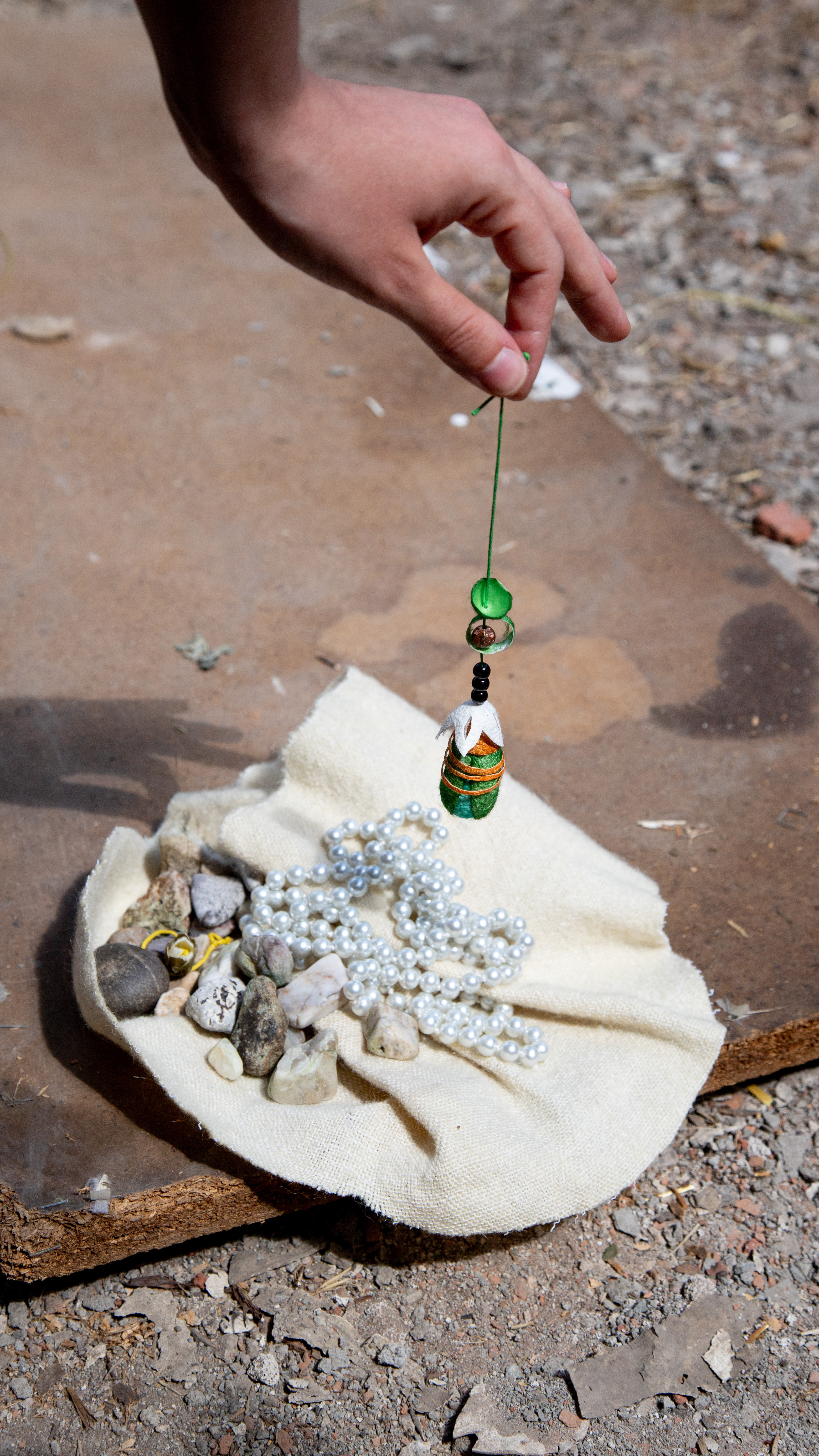
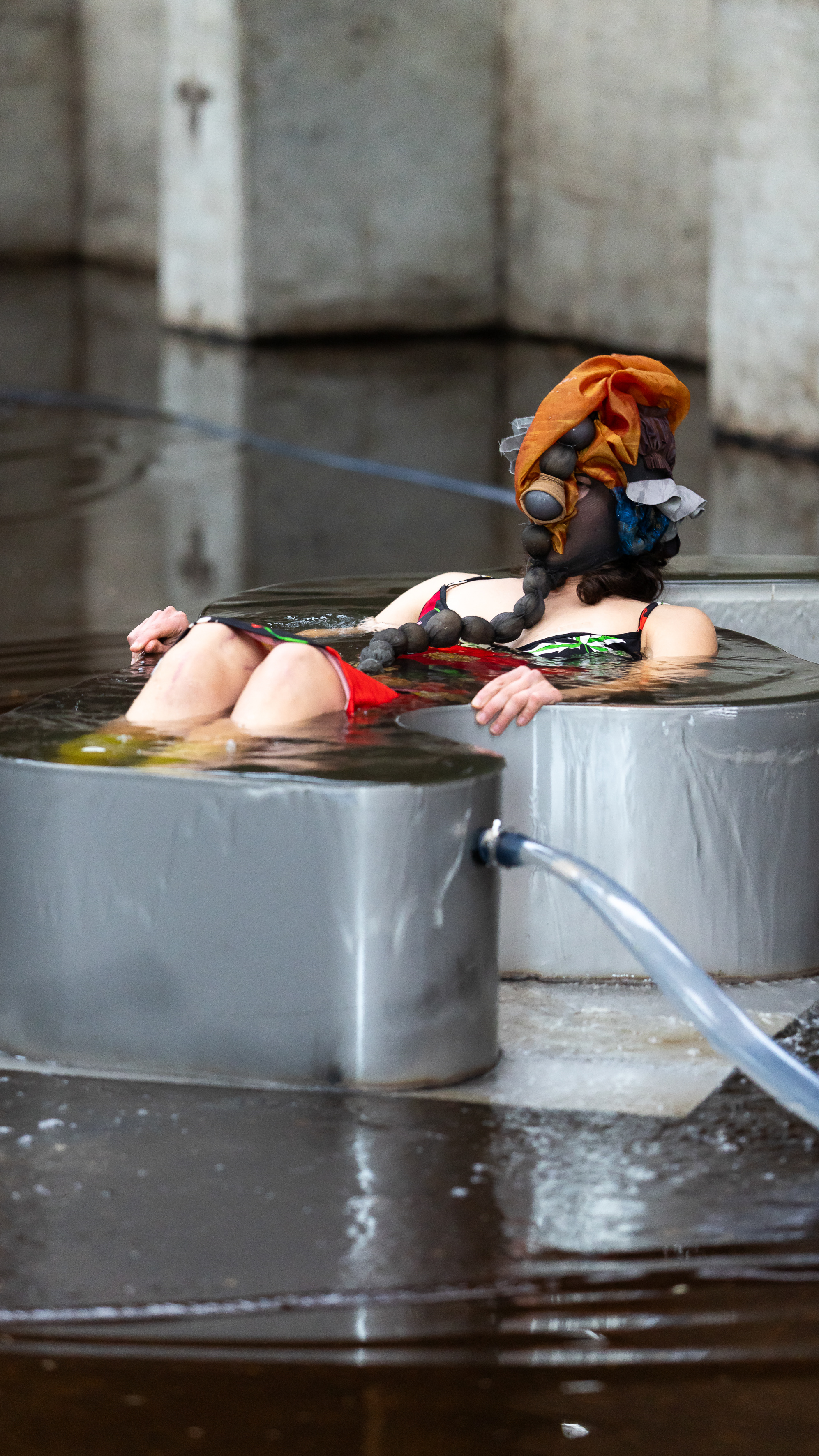
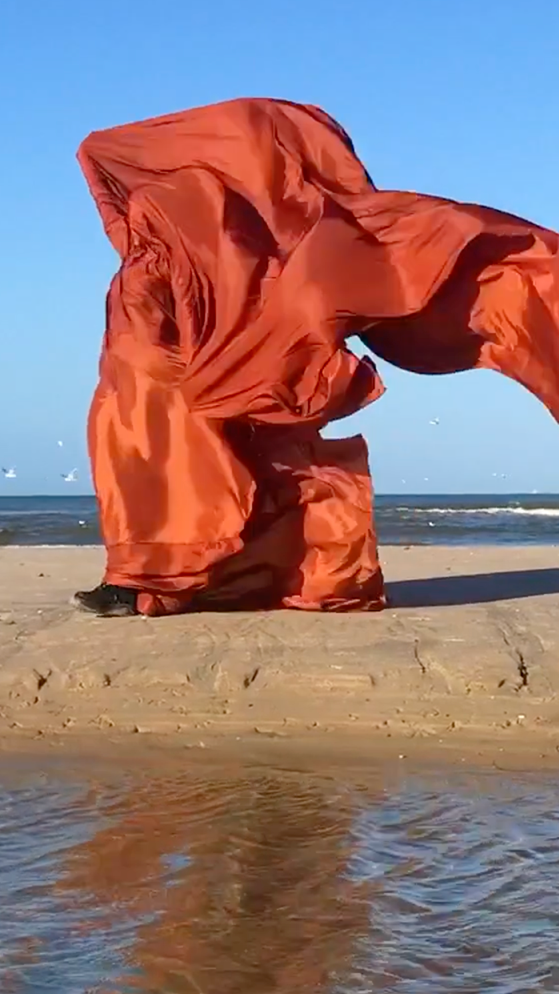
In public space, the project takes the form of in situ performances that function as testing grounds. Performers and people from the region work together, inhabiting figures and tasks drawn from the landscape. Oysters are central, organisms that survive through filtering, anchoring, and collective structure, alongside horses and other site-specific presences. Costumes and objects are designed to interact with water, mud, wind, and gravity, shaping how bodies move, slow down, and depend on one another.
The performances unfold without a fixed stage or separated audience. Passersby, residents, and visitors encounter the work as part of their everyday environment and may influence or join it. Alongside the live actions, the project produces a film composed of site-based recordings and a handbook that gathers scores, gestures, observations, and practical principles developed across locations.
Meebewegen is a framework and a growing practice. It seeks to develop principles for living among waters: through doing, together, in public space and learning directly from the landscape, allowing artistic practice to become a tool for sensing, learning, and adapting within ecological change.
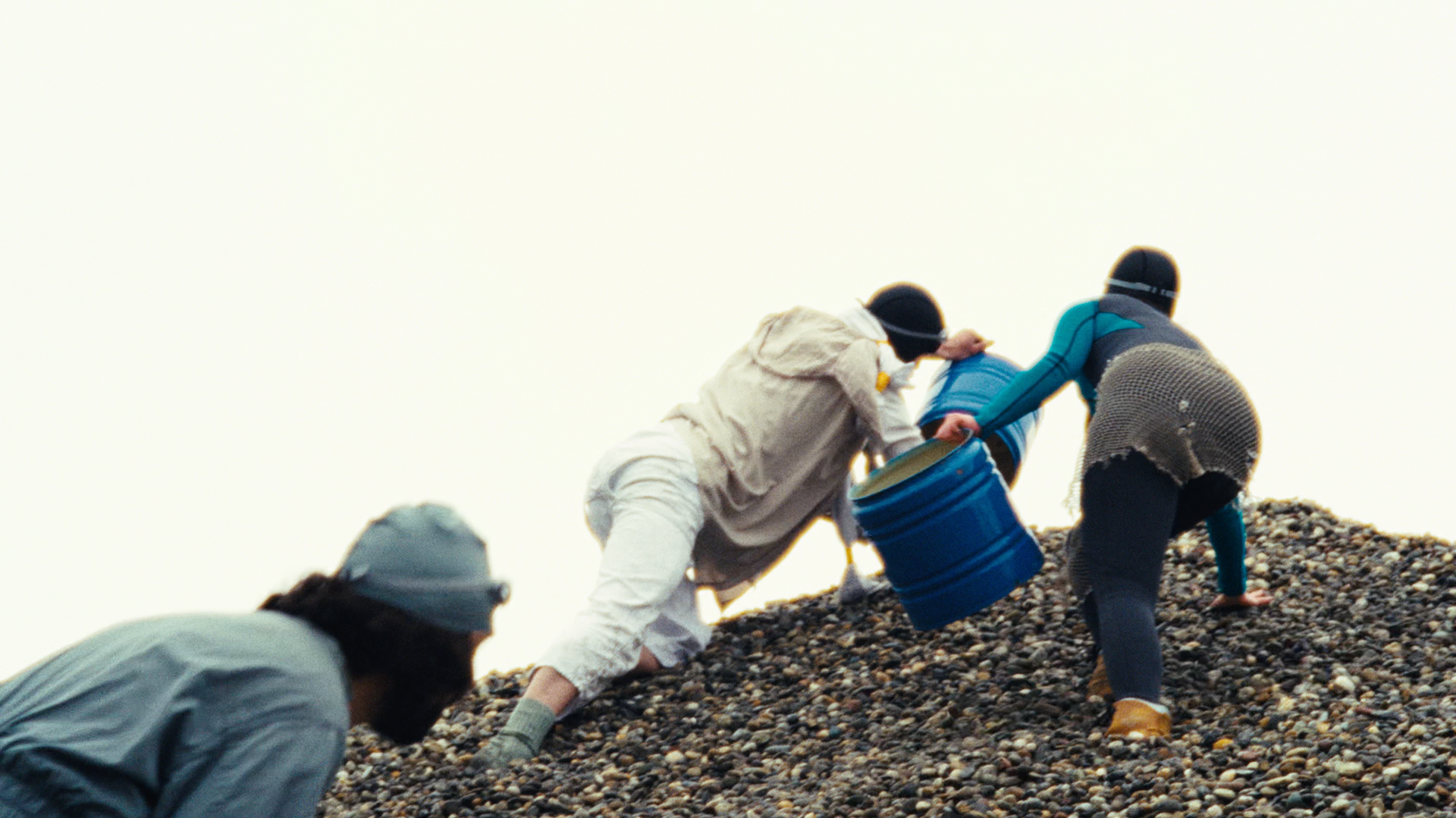
The film is co-shaped by participatory processes. Blending Rhizoaquatic performance, documentary elements, and embodied research, the film offers a narrative guided by the tide and the oyster’s perspective.
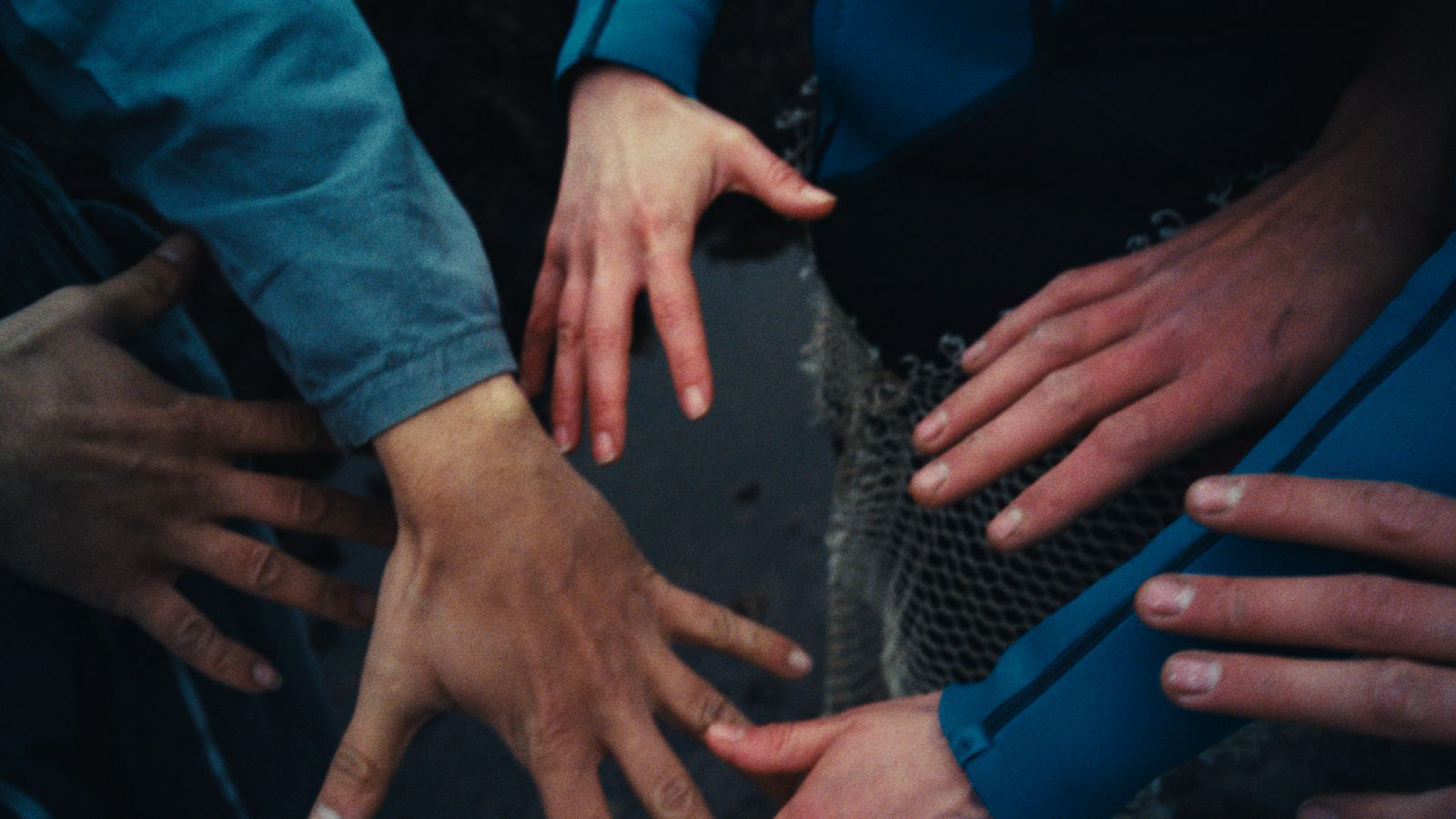
Alongside the film, The Handbook of Living Among Waters 2072 will emerge as a publication, part guidebook, part collective learning tool. This handbook will gather speculative rituals, adaptive recipes, tidal myths, ecological insights, and situated knowledges contributed by islanders, artists, and non-human collaborators. Designed to evolve with the project, it will reflect the many ways in which humans come to inhabit rising waters with fluidity.
Meebewegen, as an ecological ethic, an embodied practice, and a future-forming language for life in changing landscapes. The Rhizoaquatic Methodology is a practice of attuning to water through the body, where knowledge and information emerges through sustained relationships with landscapes and their more than human ecologies.
OPEN CALL: General Participation
“Principles for Living Among Waters”
Are you curious about intertidal life, embodiment, and deep connection with watery landscapes? Do you like to imagine what life surrounded by water could look and feel like?
We are looking for participants to take part in an embodied & ritual-based research that explores how we live in Rhizoaquatic resonance. This is a collaborative and sensory experience of becoming-with mud, seaweed, each other, and the elements.
We are looking for participants to take part in an embodied & ritual-based research that explores how we live in Rhizoaquatic resonance. This is a collaborative and sensory experience of becoming-with mud, seaweed, each other, and the elements.
New gathering dates: To be announced but you can always sign up!
Thank you!
Meebewegen is being developed through support from Stichting Stokroos.